On 29 October 2026, aTalent and Docebo took part in the HKIHRM Annual Conference & Exhibition 2026 and co-hosted Trailblazer L&D Cocktail Connect that evening. The two events brought together company representatives and practitioners from Hong Kong’s HR and learning and development (L&D) community around a shared question: How can learning build organisational capability and create business value?
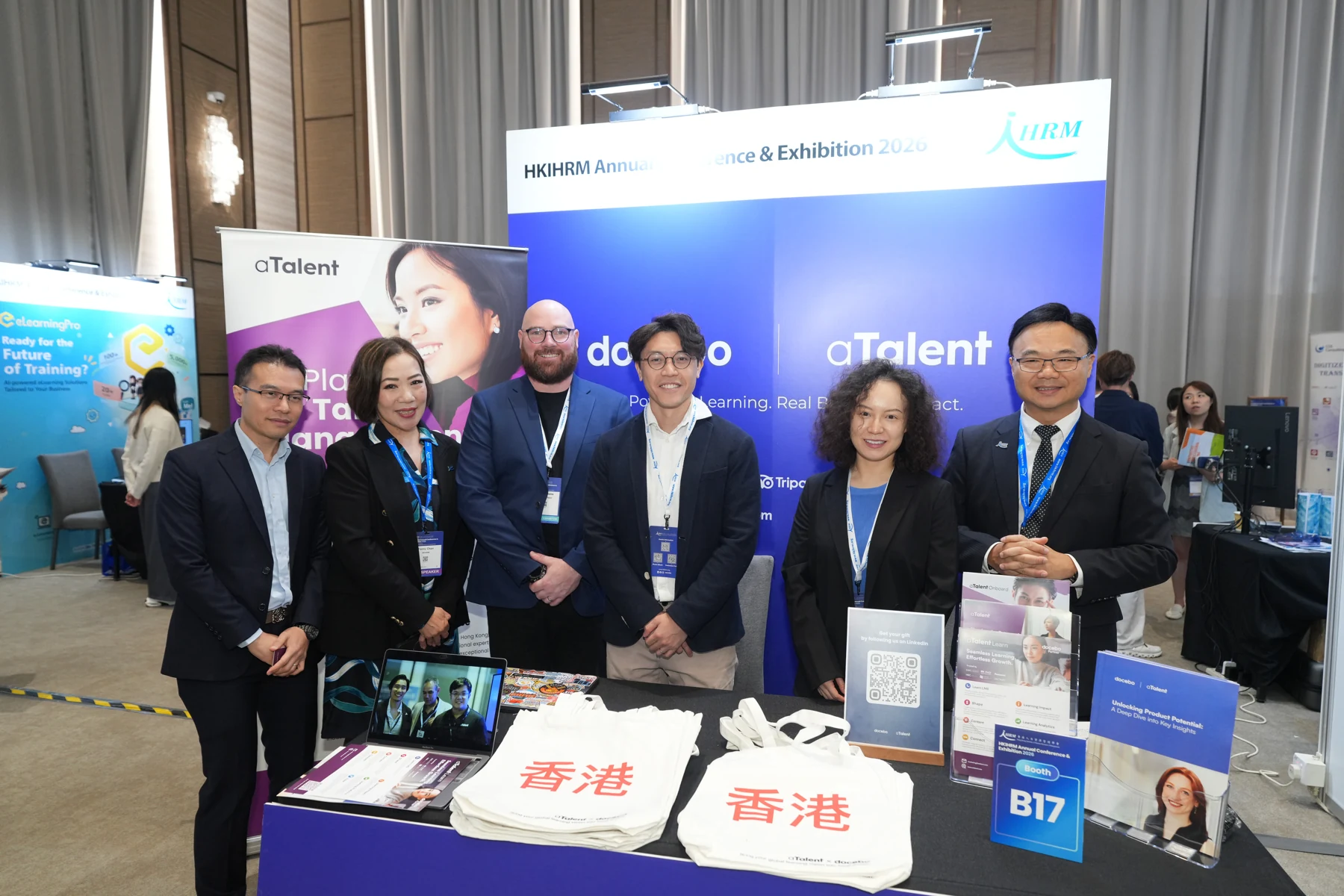
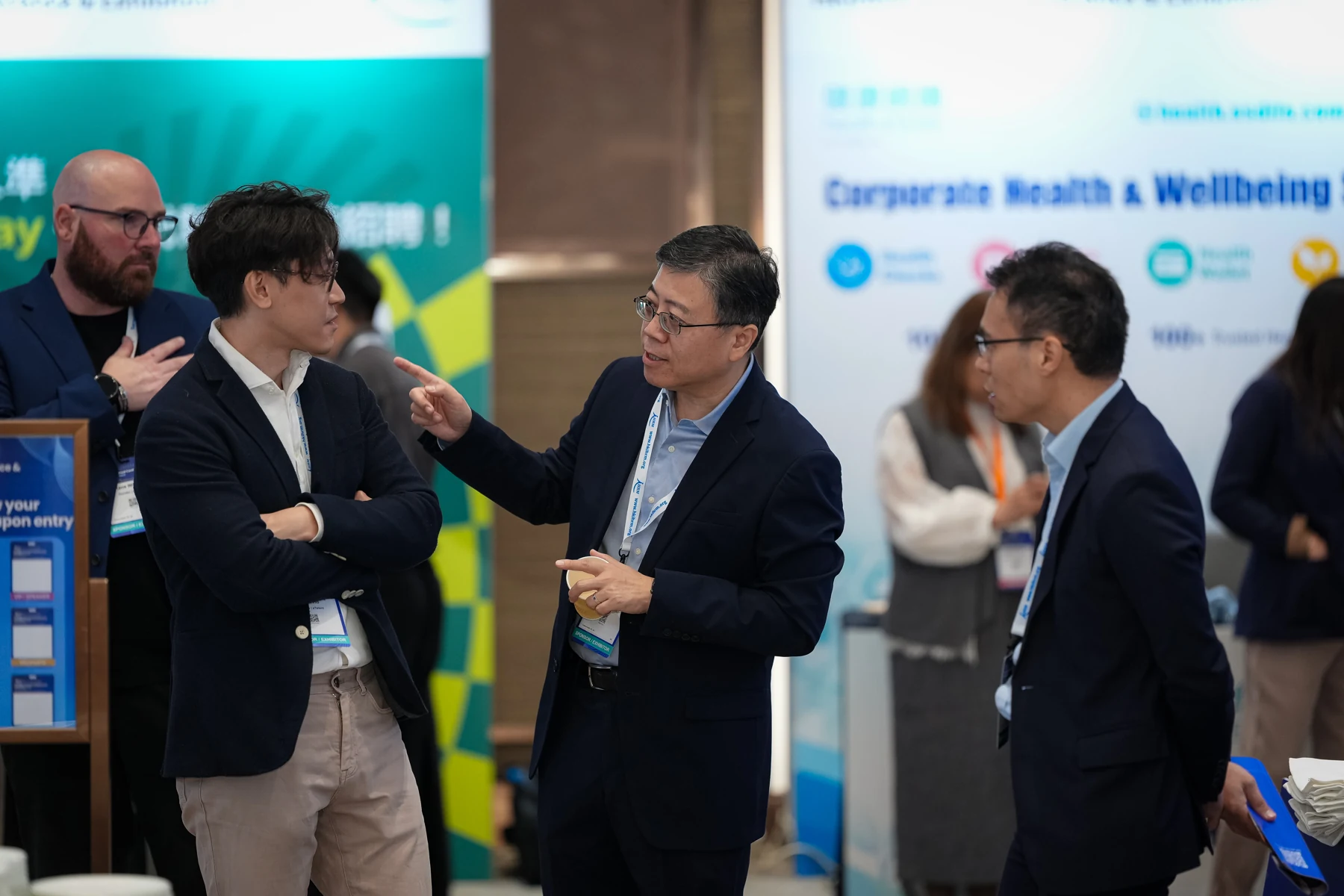
Connecting with Hong Kong’s HR and L&D Community at HKIHRM
aTalent and Docebo took part in this year’s HKIHRM conference as joint gold sponsors and exhibitors. The conference drew around 800 attendees and covered topics ranging from human resources and talent development to the future of work.
At the exhibition, aTalent met with HR and L&D practitioners to learn more about the learning and talent development needs of organisations in Hong Kong.
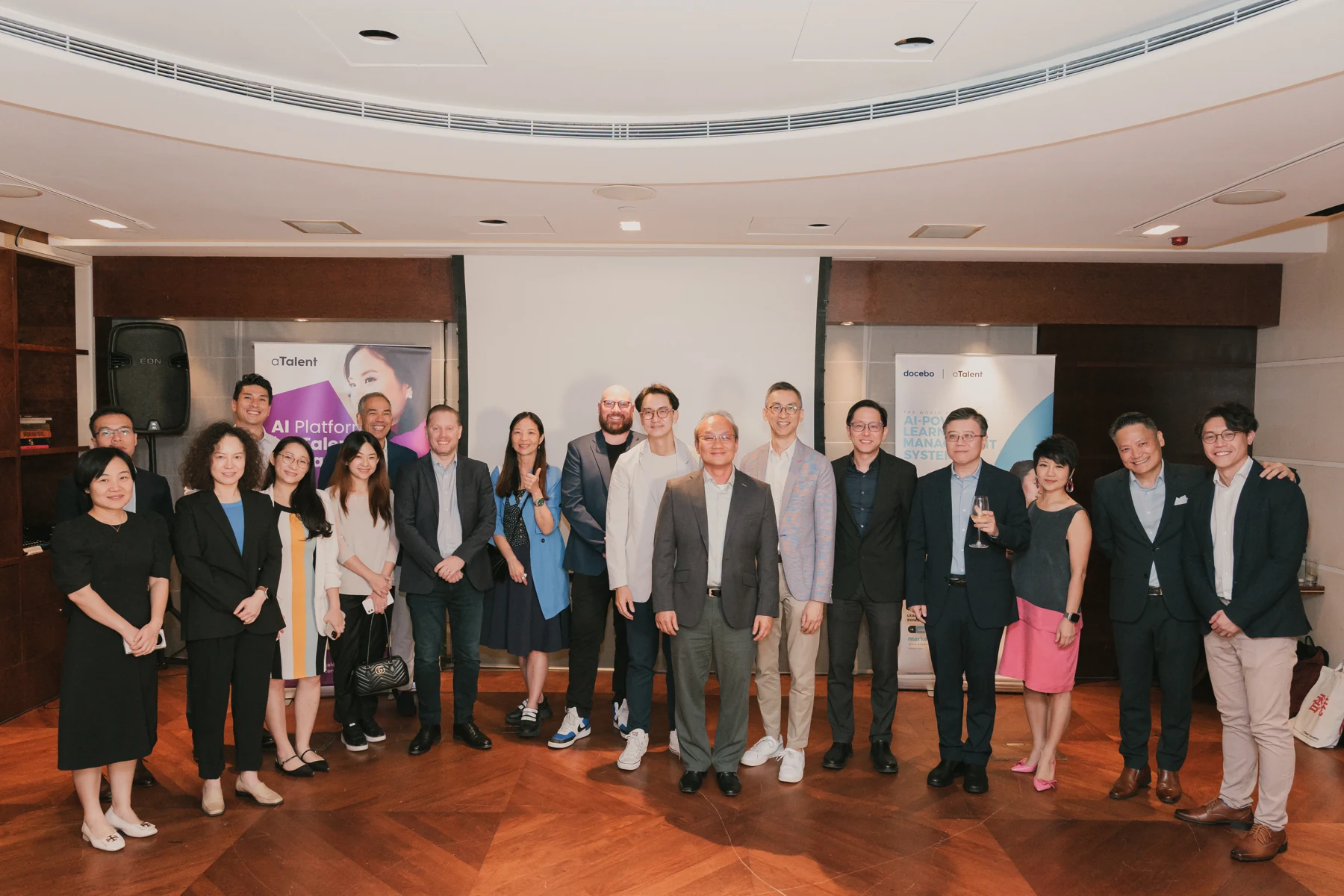
Trailblazer Cocktail Connect: A Closer Look at Learning in Practice
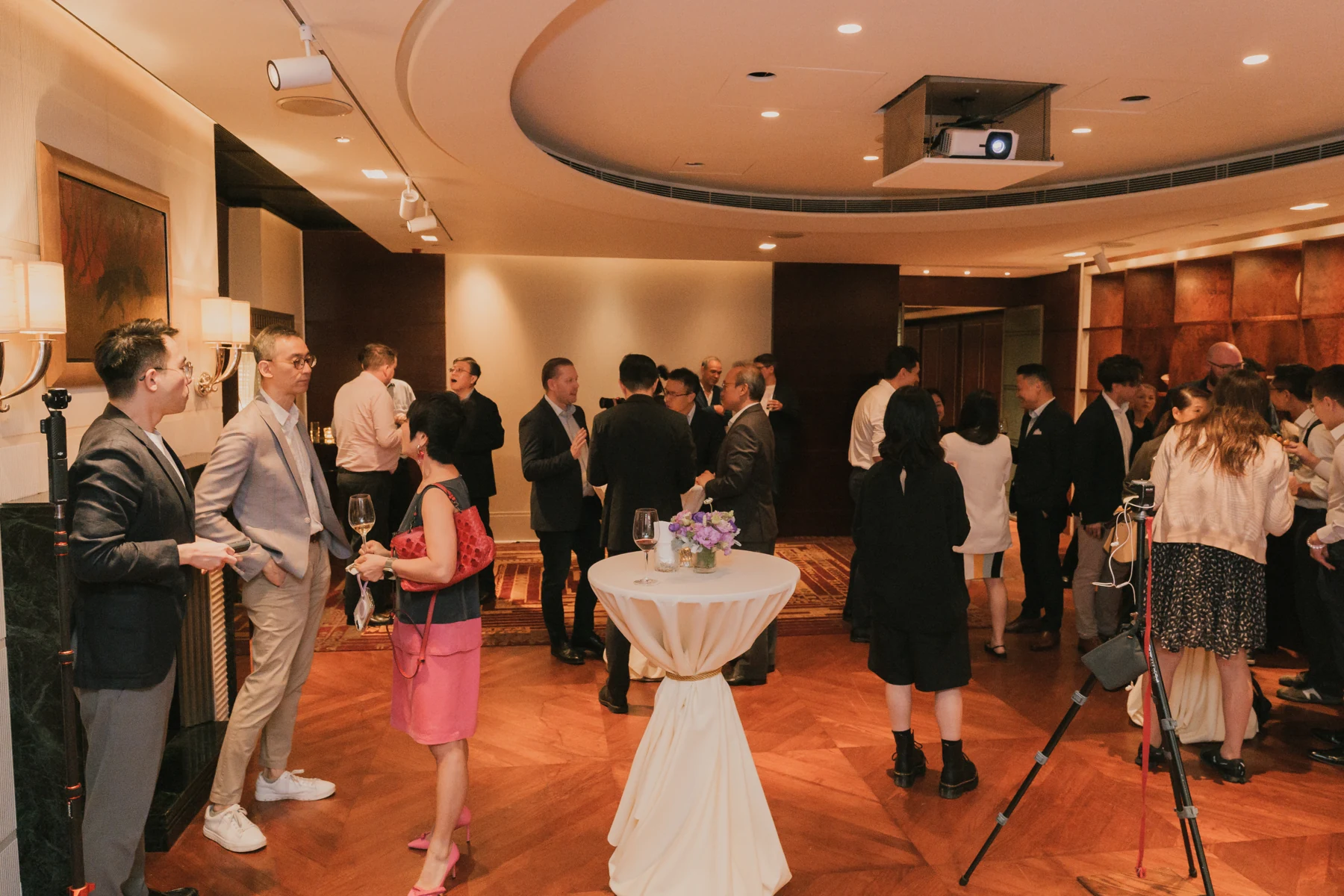
That evening, aTalent and Docebo co-hosted Trailblazer L&D Cocktail Connect at Grand Hyatt Hong Kong. The event brought together learning, talent and people professionals, with partner Dale Carnegie also taking part.
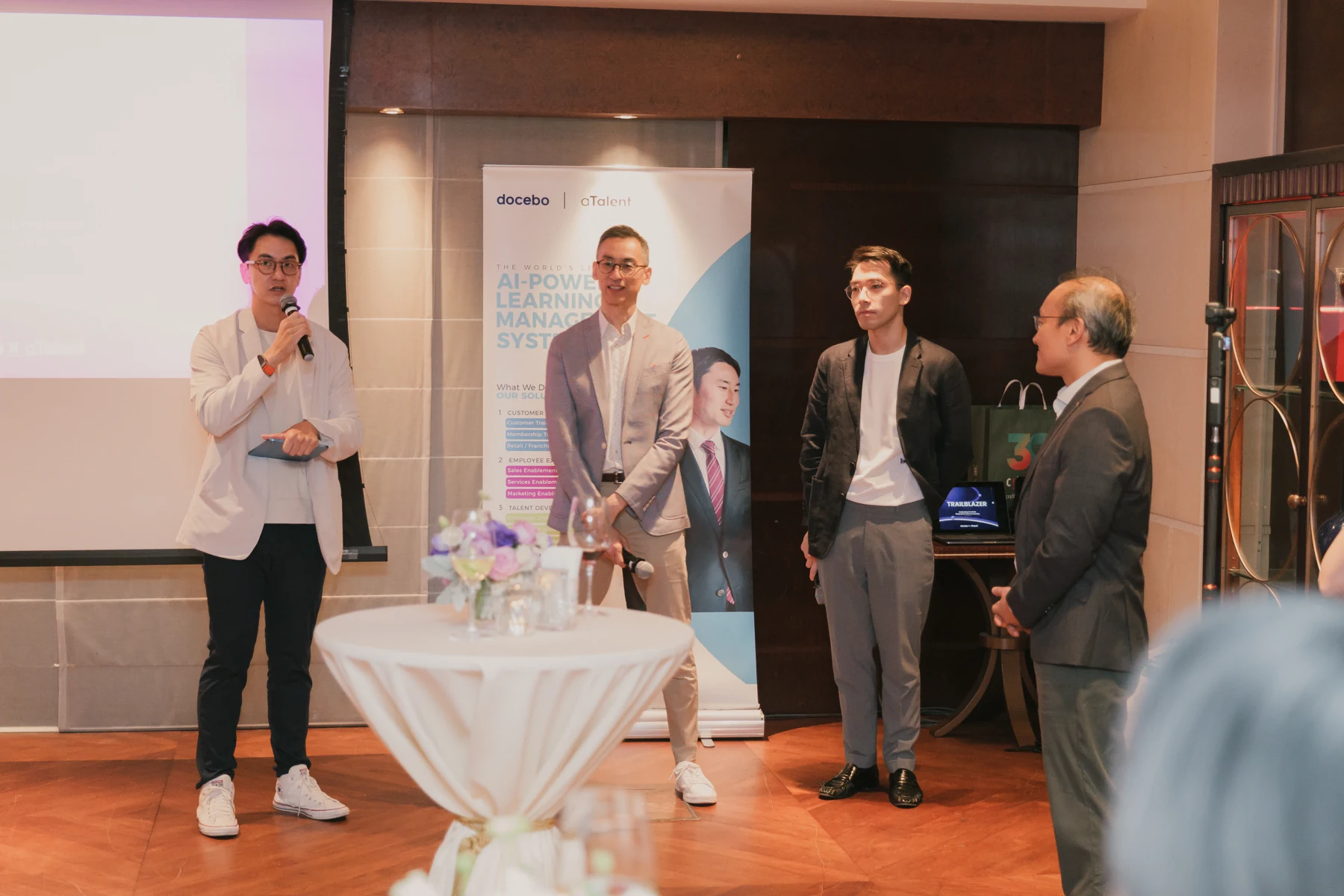
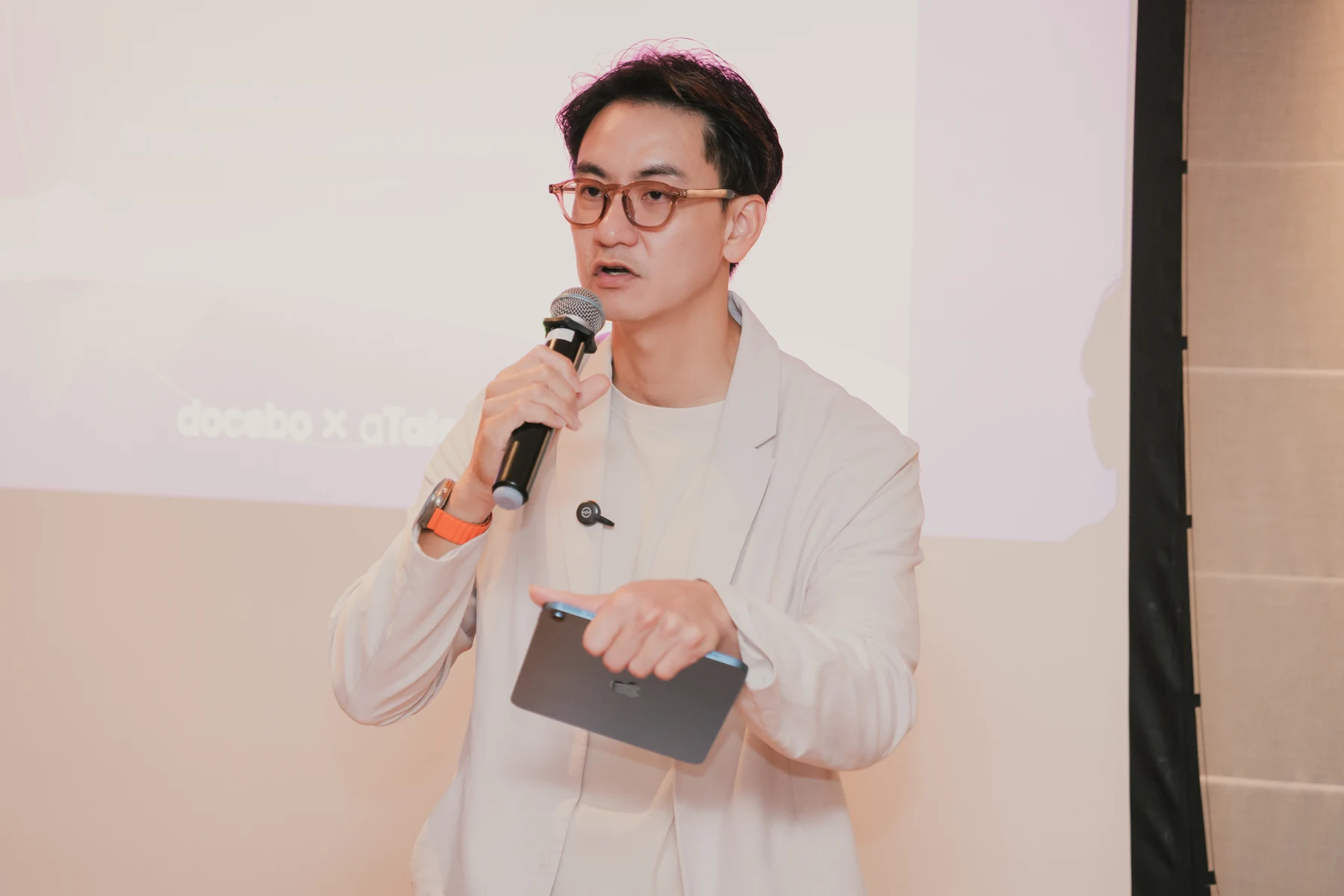
The evening centred on the Trailblazer Discussion, moderated by Adrian Tan, who has been recognised as a LinkedIn Top Voice in HR. The panellists were Benedict Li, founder of Lemon Learning Limited, and Paul Vincent Chua, HR Technology Specialist.
From Sharing Knowledge to Building Capability
AI and digital learning have made knowledge easier to access. The harder question is how employees apply what they learn on the job. The discussion focused on two practical decisions: which capabilities organisations should prioritise, and how digital learning, coaching and on-the-job practice can help employees build and use them.
Benedict Li: Look beyond individual training requests to identify organisational priorities. Benedict noted that digital learning is well suited to delivering foundational knowledge at scale, while coaching offers more targeted support when employees need to apply that knowledge in specific work situations. Rather than simply compiling individual training requests, he recommended using business strategy, performance data and learning data to identify the two or three capabilities the organisation most needs to develop.
Paul Vincent Chua: Give each learning method a clear purpose. Drawing on his experience, Paul described how digital learning can introduce foundational knowledge and work standards, while face-to-face training and coaching give employees opportunities to practise. On-the-job training then helps them apply those skills in real work situations. He also suggested looking beyond training hours to business-relevant measures such as how long new hires take to work independently and how satisfied customers are.
Together, the perspectives linked capability priorities to learning effectiveness. L&D teams need to start with business goals, choose methods that fit the capabilities they want to develop, and look for evidence that learning translates into job performance.
Recognising Six Hong Kong Trailblazers
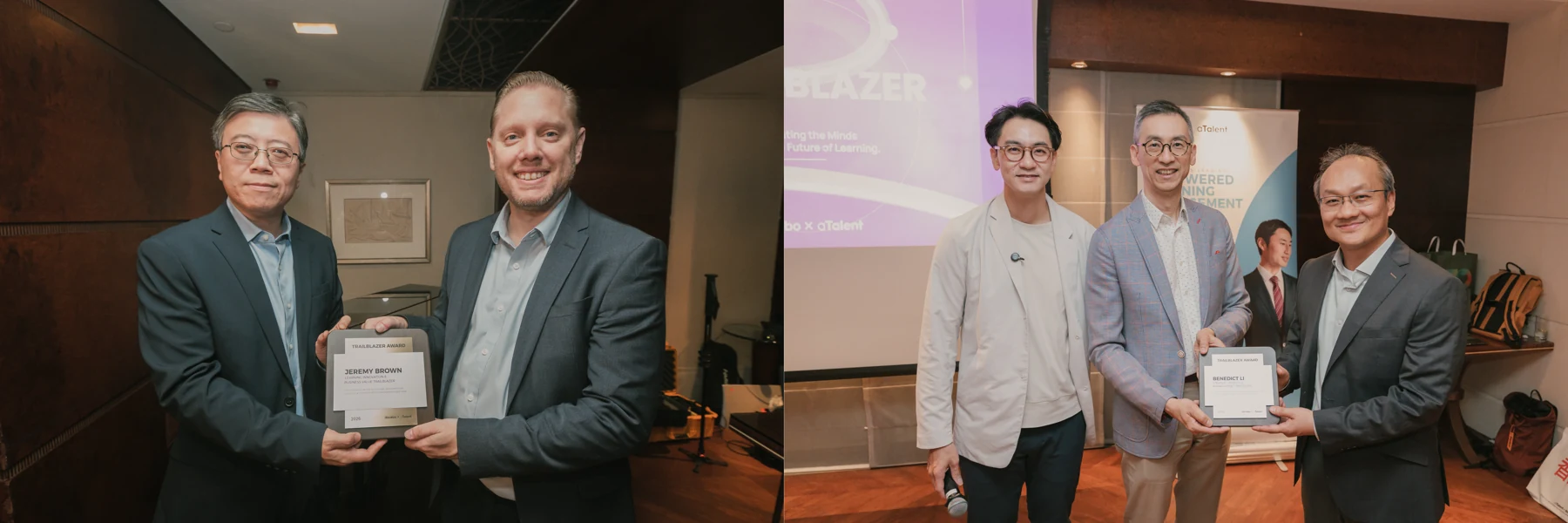
The evening also featured the Trailblazer Award Recognition, honouring six practitioners for their contributions to learning and talent development:
Their work spans learning innovation, strategic capability building, leadership development, workforce agility and experiential learning. The recognition highlights their contributions and gives peers a chance to learn from the approaches they have taken.
- Adeline Looi
- Jeremy Brown
- Benedict Li
- Cherry Lee
- Chris Leung
- Connie Cheung
The Conversation Continues
From conversations at HKIHRM to the evening’s panel and awards, the two events offered different perspectives on how learning can build capability. Through Trailblazer, aTalent will continue to connect learning and talent development practitioners across Asia Pacific and share their experiences through interviews, podcasts and in-person events.